|
1
|
|
|
2
|
- Unafraid to take risks
- I maginative and innovative
- Forward-looking
|
|
3
|
- Reallocates Resources in order to support multidisciplinary initiatives that
are ahead of their time and promise to be path-breaking and ultimately to
leverage resources.
|
|
4
|
|
|
5
|
- A broad-based, inclusive information school noted for high quality and
high impact.
|
|
6
|
- modest
- ho-hum
- lacking resources
- uninspiring
|
|
7
|
- vibrant
- on the move
- well-supported
- at the center
- breath-taking
|
|
8
|
|
|
9
|
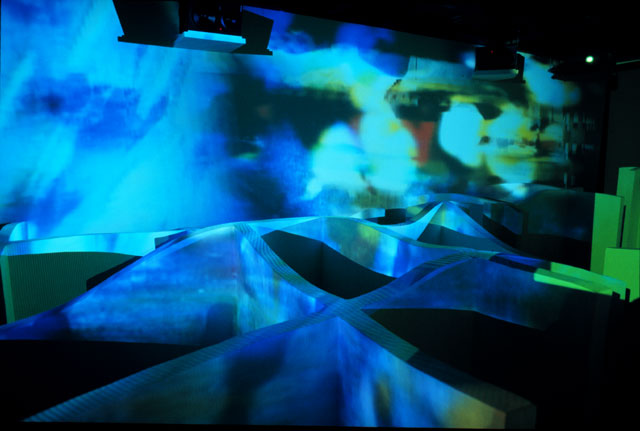
- Academic programs across all levels: bachelors through doctorate.
- 21 funded research projects.
- Interdisciplinary partnerships across the campus.
- Collaboration with the profession and broader community.
- Leadership for the information field.
|
|
10
|
|
|
11
|
|
|
12
|
|
|
13
|
|
|
14
|
|
|
15
|
|
|
16
|
|
|
17
|
|
|
18
|
|
|
19
|
|
|
20
|
|
|
21
|
|
|
22
|
- Promote curriculum innovations in interprofessional education across the
health sciences and information schools.
- Provide infrastructure for interprofessional training & faculty
development.
- Research the impact of interprofessional initiatives on students,
providers, faculty and the health of the public.
|
|
23
|
- Developed, implemented and disseminated an interdisciplinary model for
clinical education, incorporating core interprofessional skills needed
for collaborative health care.
- Received funding for:
- Faculty Leadership in Interdisciplinary Education to Promote Patient
Safety
(HRSA, DHHS)
- Integration of Intraprofessional education into the curricula of six
health science schools
(Josiah Macy Jr. Foundation)
- Developed website:
|
|
24
|
|
|
25
|
- An integrated biological science major with a committed student cohort
and faculty
- A joint program of the College of Arts & Sciences and the School
of Medicine
- In-depth education in basic neurobiology with laboratory beginning in
the junior year
- Advanced courses connecting basic neurobiology to human behavior and
medicine
- Hands-on research projects in faculty laboratories
|
|
26
|
|
|
27
|
|
|
28
|
|
|
29
|
|
|
30
|
|
|
31
|
|
|
32
|
|
|
33
|
- Modernizing how the UW does business by:
- - Enabling access to information when and where people need it to
make informed decisions and to take action; and
- - Collaborating with academic and business units along with technical
developers to create web-based tools.
- Efforts underway in the following areas:
- - Human Resources*
- - Payroll*
- - Grants and Contracts*
- - eProcurement
- - Financial transactions*
- - Travel
|
|
34
|
|
|
35
|
- Lessons Learned, Outcomes Achieved
- Increased productivity
- Increased access to information
- Better informed decision-making
- High customer satisfaction in outcomes
- Users driving changes
- Streamlined business practices
- Old ways challenged
- Extended use of computer legacy systems
- Practices changed University-wide
- Broad sense of ownership
- Pride in collaborative efforts
|
|
36
|
|
|
37
|
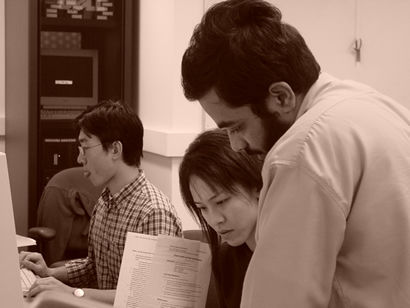
- Adrian Raftery, Mark Handcock, Ross Matsueda
|
|
38
|
- Adrian Raftery, Mark Handcock, Ross Matsueda
|
|
39
|
|
|
40
|
- Internationally respected
- Basic and applied
- Interdisciplinary
- Interprofessional
|
|
41
|
- Accomplishments:
- Masters and Ph.D. Program
- International Research and Training (NIH Fogarty International Center
supported)
- Summer Undergraduate Research Internship Program
- Fellowship Training
|
|
42
|
|
|
43
|
- Sponsored by:
- Office of Research
- Office of the Executive Vice President
- Computing and Communications
|
|
44
|
- Creation of an integrated information management system that will
enhance the ability of the faculty, staff and administrators at the
University of Washington to procure and administer research grants and
contacts.
|
|
45
|
- Single reference Website for UW researchers
- Grant and Contract Guide www.washington.edu/research/guide
- Provide information linked from all relevant areas
- Content & links updated regularly
- New content added each month
- High usage continues to grow
- Average total hits ~29,000/month
|
|
46
|
- Proposal Development System
- Support production of robust database and reporting system
- Human and Animal Use Protocols
- Support Post Award process
|
|
47
|
- Spring 2000 Campus Wish List completed
- July 2000 Grant & Contract Guide debuted
- January 2001 Pre-award system prototype completed
- June 2001 Alpha testing yields successful user input
- August 2001 User Task Groups
formed
- January 2002 Finalizing first
version for extensive beta test
- January 2002 Beta test plan in
final draft
|
|
48
|
|
|
49
|
|
|
50
|
|
|
51
|
|
|
52
|
- Establishing a program of international preeminence that brings together
artists, engineers, scientists, designers, and theorists working with
digital technologies to re-define art, music, theater, film, and
architecture.
- Dissolving the boundaries between theses traditional disciplines, the
Center will make possible the creation of digitally realized images,
sounds, performances, and installations that were previously
unimaginable.
|
|
53
|
- Educate artists, scientists, engineers, and design professionals in
experimental art practices and aesthetics
- Create an array of state-of-the-art experimental laboratories and
studios in a unified space suitable for advanced arts technology
research and application where students and faculty can work and
interact
- Create opportunities for audiences within the UW and in the regional
community to experience the digital arts through new exhibitions,
concerts, installations, public seminars, and conferences
- Establish a “glass-box” program where leading figures in the arts,
science, and industry will be invited as guests to work on innovative
projects in conjunction with a wide range of UW departments and students
- Establish innovative senior capstone and new foundations courses that
focus and unify a broad range of undergraduate backgrounds within the
digital domain
- Build upon and amplify existing partnerships between the arts and the
digital technology industry through mutual research interests, student
internships, and other joint activities
|
|
54
|
|
|
55
|
|
|
56
|
- The Center for Technology Entrepreneurship aims to be a leading
international center for the creation and dissemination of knowledge on
technology entrepreneurship and innovation.
|
|
57
|
- Provide support for research in creating new knowledge
- Develop a Ph.D. program in technology entrepreneurship and also open to
engineering and science Ph.D. students as a second major
- Develop new curriculum and executive education programs
- Provide world-class cutting-edge learning opportunities for students to
work on emerging technologies to develop business concepts/models for
start-ups
- Form strategic alliances with leading
international institutions, national laboratories,
and industry
|
|
58
|
- Create a nationally prominent academic research agenda that focuses on
the ways in which entrepreneurs and entrepreneurial organizations
develop, lead, and transform today’s most dynamic businesses
- Develop a new Ph.D. Program in technology entrepreneurship, take a
national leadership role in training future faculty who can specialize
in technology entrepreneurship
|
|
59
|
|
|
60
|
|
|
61
|
- Understand the fates of the greenhouse gases, and the feedbacks between
the biosphere, climate and greenhouse gases.
- Identify the mechanisms that maintain a climate system, and those that
cause large fluctuations in climate.
- Understand the sensitivity of the climate system, especially to global
and regional anthropogenic forcing.
- Use the improved understanding of the mechanisms and sensitivities of
the climate system to improve short-term climate prediction.
|
|
62
|
- PCC Board Members 2001/2002:
Director: James Murray (OCN)
Governing Board: Marcia Baker (ATM S), David Battisti (ATM S),
Alan Gillespie (ESS), Dennis Hartmann (ATM), Dennis Lettenmaier (CEE),
Ed Miles (SMA),
Dennis Moore (PMEL), James Morison (APL), Paul Quay (OCN), Peter
Rhines (OCN), Eric Steig (ESS), LuAnne Thompson (OCN), Ed Waddington
(ESS), and
J. Michael Wallace (ATM S)
- Summer Institute Participants 2002:
Applied Physics Lab: James Morison
Atmospheric Sciences: Dennis Hartmann, Lyatt Jaegle, Igor
Kamenkovich, Mike Wallace
Civil and Environmental Engineering: Dennis Lettenmaier
Earth and Space Sciences: Jaakko Putkonen, Eric Steig (QRC), Ed
Waddington,
Bernard Hallet (QRC),
Stephen Porter (QRC)
JISAO: David Battisti (ATM S), Philip Mote (CIG), Gerard Roe
(QRC), Joellen Russell (ATM S)
Oceanography: Virginia Armbrust, Steven Emerson, Dong-Ha Min,
James Murray,
Jan Newton (Dept. of
Ecology), Paul Quay, Peter Rhines, LuAnne Thompson, Mark Warner
Office of Research: Craig Hogan
Program on the Environment:
Craig Zumbrunnen
School of Marine Affairs:
Ed Miles
|

 Notes
Notes